Ecohydrogreen
This article explores the key trends transforming the retail industry, highlighting how businesses adapt to meet evolving consumer expectations.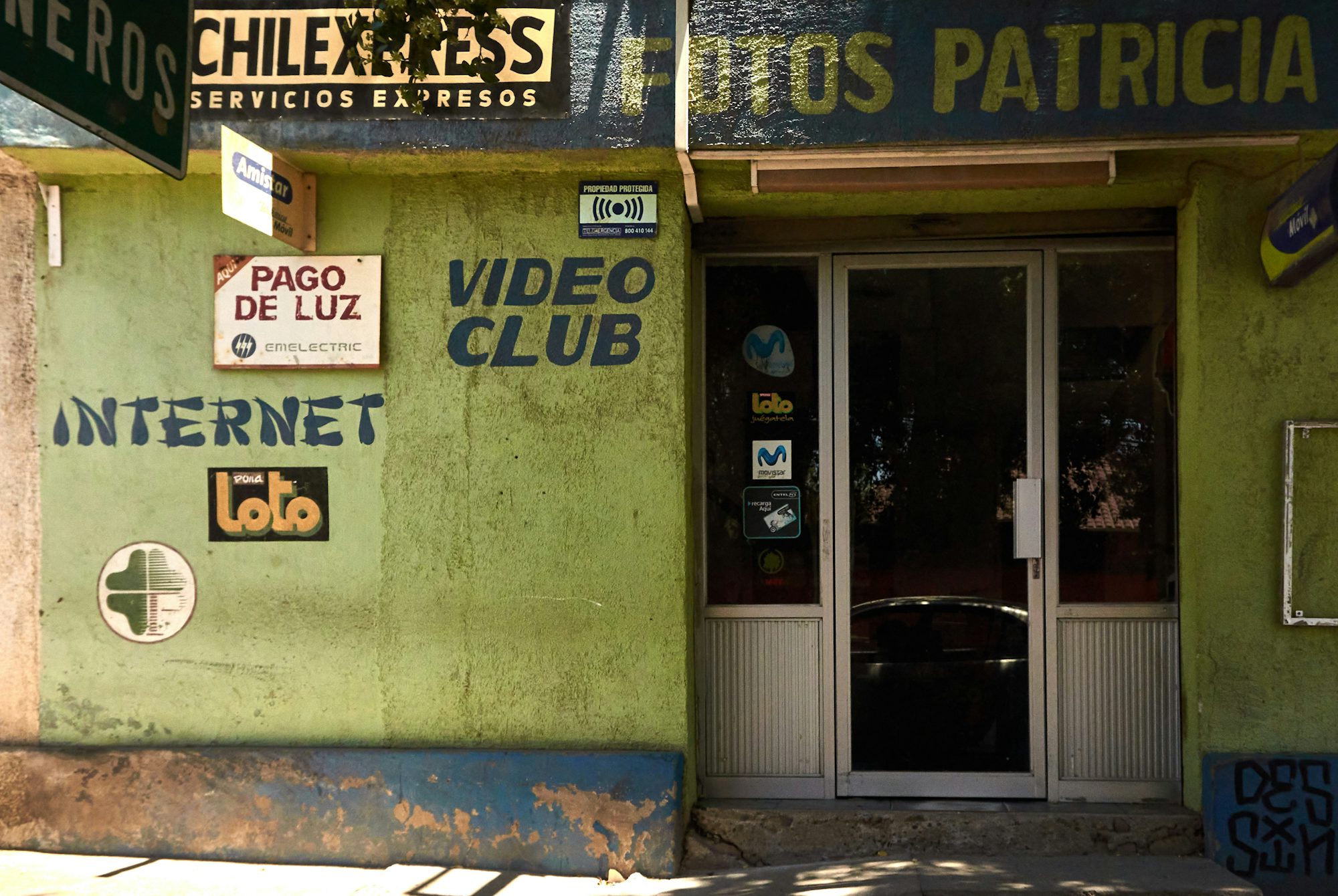
The Digital Revolution in Retail
The digital revolution has profoundly impacted retail, with e-commerce becoming a cornerstone of the industry. Consumers now expect a seamless online shopping experience that offers convenience, speed, and a wide selection of products. Major retailers have invested significantly in their online platforms, optimizing websites and mobile applications to enhance user experiences.
The growth of e-commerce has also encouraged retailers to adopt omnichannel strategies, enabling customers to transition smoothly between online and offline shopping. This approach allows consumers to browse products online, place orders, and choose delivery options or in-store pickup. Retailers that successfully integrate their physical and digital channels can create a cohesive shopping experience that meets customer expectations.
Personalization: A Key Differentiator
In today’s competitive retail environment, personalization has emerged as a crucial differentiator. Consumers crave tailored experiences that resonate with their preferences and shopping habits. Retailers are leveraging data analytics and artificial intelligence to gather insights into customer behavior, enabling them to offer personalized recommendations and targeted marketing.
For instance, brands can analyze past purchases and browsing history to suggest products that align with individual preferences. Personalized emails, loyalty programs, and customized promotions foster a sense of connection between consumers and brands, encouraging repeat purchases and customer loyalty. By prioritizing personalization, retailers can create memorable experiences that resonate with consumers on a deeper level.
Sustainability and Ethical Consumption
The increasing awareness of environmental issues has prompted a shift towards sustainability in retail. Consumers are becoming more conscientious about their purchasing decisions, often opting for brands that prioritize eco-friendly practices and ethical sourcing. This trend is reshaping the retail landscape, pushing businesses to adopt sustainable strategies that resonate with eco-conscious consumers.
Many retailers are taking steps to reduce their environmental impact by using sustainable materials, minimizing packaging waste, and promoting transparency in their supply chains. For example, brands like Everlane and Allbirds have built their reputations on sustainable practices, appealing to consumers who value both quality and environmental responsibility.
Moreover, the rise of secondhand shopping and thrift stores reflects a growing trend towards circular fashion. Consumers are increasingly seeking unique, pre-owned items as a way to reduce waste and promote sustainability. Thrift stores offer a treasure hunt experience, allowing shoppers to discover one-of-a-kind pieces while supporting charitable causes.
The Experience Economy: Enhancing In-Store Visits
As online shopping continues to rise, traditional retailers are focusing on enhancing in-store experiences to attract consumers. The experience economy emphasizes creating memorable shopping encounters that go beyond merely purchasing products. Retailers are transforming their physical spaces into immersive environments that engage customers on multiple levels.
Interactive displays, product demonstrations, and hands-on experiences allow shoppers to connect with brands in a meaningful way. For example, beauty retailers often host makeup application sessions, enabling customers to try products before purchasing. This approach not only enhances the shopping experience but also fosters brand loyalty by creating lasting memories.
Additionally, retailers are incorporating technology into the in-store experience, using digital kiosks and augmented reality to engage customers. Shoppers can access product information, check inventory, and even visualize how items would look in their own spaces. These innovations enrich the shopping experience, blending the convenience of online shopping with the tactile nature of in-person visits.
Community and Social Engagement
Modern consumers value community and social engagement, leading retailers to embrace local initiatives and foster connections with their customers. Many brands are investing in community-building efforts, sponsoring local events, and collaborating with artists or small businesses. This focus on community creates a sense of belonging and encourages consumers to support brands that align with their values.
Moreover, social media has become a powerful tool for retailers to connect with their audiences. Brands that engage authentically with their customers on platforms like Instagram and TikTok can build strong relationships and foster a sense of community. User-generated content, such as customer reviews and photos, adds authenticity to the brand's image and encourages others to join the conversation.
Technological Innovations Transforming Retail
As technology continues to advance, its influence on retail becomes increasingly significant. Innovations such as artificial intelligence, machine learning, and the Internet of Things (IoT) are reshaping the retail landscape, enhancing operational efficiency and customer experiences.
AI-driven chatbots are revolutionizing customer service by providing instant assistance and answering inquiries in real-time. This technology allows retailers to enhance customer support while freeing up staff to focus on more complex tasks. Additionally, machine learning algorithms can analyze vast amounts of data to predict consumer behavior and optimize inventory management.
The IoT is also playing a crucial role in retail by enabling smart shelves and inventory tracking systems. Retailers can monitor stock levels in real-time, ensuring that products are available when customers need them. This data-driven approach not only improves efficiency but also enhances the overall shopping experience by reducing out-of-stock situations.
The Future of Retail: Embracing Change
The future of retail is undoubtedly dynamic, shaped by evolving consumer expectations, technological advancements, and a growing focus on sustainability. Retailers must remain agile and open to change, embracing new trends and innovations to stay competitive in this ever-evolving landscape.
As the digital revolution continues to reshape the industry, businesses that prioritize personalization, sustainability, and enhanced customer experiences will thrive. By investing in technology, building community connections, and creating immersive shopping environments, retailers can navigate the challenges of modern commerce while meeting the demands of today’s consumers.
In conclusion, the modern retail landscape is a tapestry of change, innovation, and opportunity. Retailers that adapt to these trends will not only survive but thrive, creating meaningful connections with consumers and paving the way for a sustainable and engaging shopping experience in the future.